Why Trade Commodities? Opportunities, Hedging & Diversification
Do commodities deserve a place on your screen? Weigh the wider opportunity set, direct access to macro themes, longer trading hours, hedging and diversification against the extra attention and risks they demand.
 8 minutes read|
If your trading screen already gives you hundreds of stocks to choose from, adding Gold, Crude Oil, Copper or Natural Gas only makes sense if they bring something genuinely different to the table.
For many traders, they do. Commodities widen the set of markets available, give more direct access to global and macroeconomic themes, and can create opportunities beyond the regular equity-market session. They can also serve a more defensive purpose when someone already carries commodity-price risk.
Whether any of that is useful depends on the trader. More markets only help if they fit the views you trade, the time you can give them and the risks you understand.
A Different Opportunity Set
Equity traders naturally spend most of their time looking at companies and sectors. Banking may be active one week, IT the next, while on some days the entire market seems determined to do absolutely nothing useful. Commodity markets widen that field considerably.
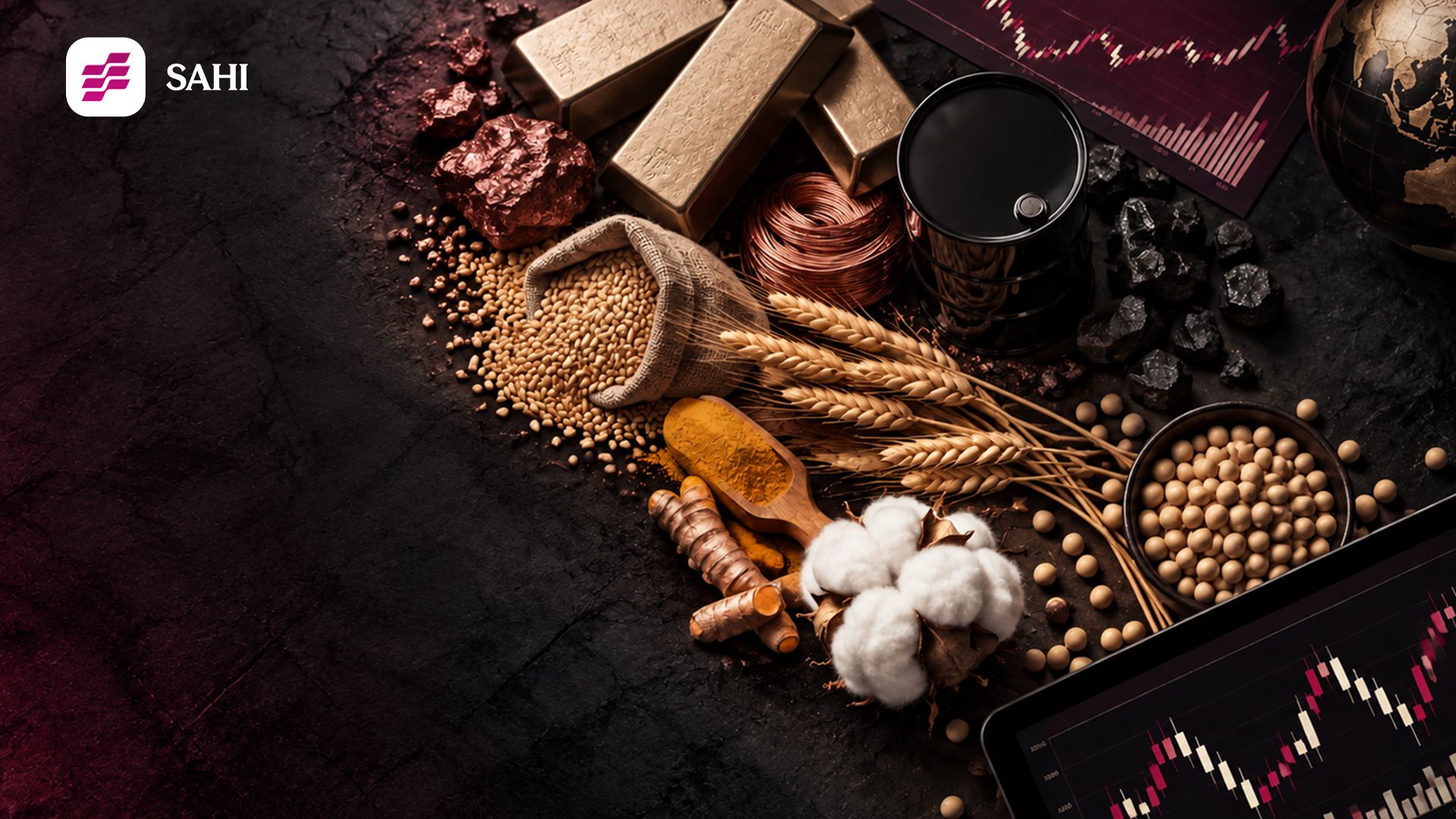
Gold, Silver, Crude Oil, Natural Gas, Copper and agricultural commodities are connected to different parts of the economy and can respond to very different developments. An opportunity therefore does not always have to begin with a company or sector.
A change in the energy market may make Crude Oil interesting. Shifting financial conditions may bring Gold into focus, while changes in industrial activity can alter the picture for Copper. Weather and crop conditions introduce a completely different set of possibilities in agricultural commodities.
A wider universe does not mean watching everything at once. Few trading plans improve after adding twelve more charts, but having more markets available gives a trader somewhere else to look when the stronger opportunity sits outside equities.
That wider universe also gives traders a more direct route into some of the larger economic themes moving through financial markets.
Trading Macroeconomic Themes More Directly
A large part of financial news is really about the broader economy. Interest rates and currencies shift as central banks and governments change course, while changes in global growth can alter demand across industries. Add wars that disrupt supply routes or weather that affects production, and you have developments capable of moving entire commodity markets.
These developments can affect stocks as well, although the connection is often less direct.
Suppose a trader believes a disruption could tighten global crude supply. One route is to analyse listed companies that may benefit or suffer from higher oil prices. That also means thinking about their costs, pricing power, debt, competition, valuation and how much of the development may already be reflected in the stock.
The commodity market gives the trader another route by allowing the view to be expressed through Crude Oil itself.
The same logic can take a trader towards Gold when financial conditions are changing, Copper when industrial demand is shifting, or an agricultural commodity when weather begins affecting production. Commodity markets are closely tied to global demand and supply conditions, which gives traders access to themes extending well beyond the domestic equity market.
We will examine those price drivers properly in Chapter 9. For now, it is enough to see why a macroeconomic development can sometimes translate more directly into a commodity trade.
Hedging Is Another Reason These Markets Matter
Commodity derivatives are also used by participants who already have a price risk they want to manage.
A jeweller may worry about Gold becoming more expensive. A manufacturer may be exposed to Copper or Aluminium prices, while an oil producer may worry about the price it receives for future production. These participants use commodity markets because adverse price moves can affect the economics of their actual business.
That is hedging.
For most retail traders, the motive is more likely to be taking a market view than protecting a physical commodity exposure. But the distinction matters because commodity markets bring together participants with very different reasons for being there. One trader may be looking for profit from a price move, while someone on the other side may simply be trying to reduce a risk they already carry.
The Trading Day Can Extend Beyond Equity-Market Hours
Commodity markets can also remain available beyond regular Indian equity-market hours, depending on the commodity and contract.
That matters because many major commodities are part of global markets that continue reacting as activity shifts across regions. Gold does not stop responding to global financial conditions because the Indian cash-equity session has ended, and Crude Oil can react to an international development later in the day.
The exact exchange timings come in Chapter 6, while Chapter 10 looks at how international moves feed into the prices seen by an Indian trader.
From a practical trading perspective, commodities can therefore create a wider window in which opportunities may appear.
That will appeal to some traders more than others. An evening market is an opportunity only if you actually want to spend your evening watching it.

Bullish Or Bearish, The View Can Be Expressed
Commodity derivatives allow traders to act on views in either direction. A bullish view on Gold or a bearish view on Crude Oil can both be expressed through the derivatives market.
Even after the directional view is clear, there is another decision to make: which instrument should carry the trade?
Take a bullish view on Gold. It could potentially be expressed through Gold Futures or a Gold Call Option.
Both begin with the same market opinion, but the capital required, risk and payoff can be very different.
Chapter 7 will break down futures and options properly. The important distinction here is that forming a view on the commodity and deciding how to express that view are two separate decisions.
Commodities Can Broaden Your Exposure
Because commodities respond to a different mix of forces, they can also play a role in diversification.
A trader concentrated entirely in equities is naturally dependent on what is happening in the equity market. Adding commodities introduces exposure to drivers such as physical supply, weather, energy demand, currencies and global economic conditions.
The relationship with equities can vary considerably from one commodity to another. Gold may behave very differently from Copper, while Crude Oil can sometimes move alongside growth-sensitive assets because stronger economic activity can increase energy demand.
So diversification here is best understood as access to markets driven by a broader mix of forces. It does not guarantee that one position will rise whenever another falls.
Commodities May Not Suit Every Trader
A wider opportunity set also asks more of the trader.
Commodity prices can react sharply to weather, geopolitical developments, production disruptions and other events. Futures can involve leverage, while futures and options both introduce considerations such as expiry that may be unfamiliar to someone used mainly to cash equities. The later risk chapter covers these issues in much greater detail, including volatility, overnight risk, leverage, global event risk and expiry risk.
Attention becomes a practical constraint as well. Following equities properly already takes work, and adding Gold, Crude Oil, Copper and Natural Gas simply because they are available can quickly turn diversification into distraction.
Commodity trading can be useful when it adds something specific to the way you trade: another opportunity set, a more direct route into a macro view, a wider trading window, a way to manage an existing price exposure, or access to market drivers you are not already trading.
The next question is practical: how does an Indian trader actually access and trade these markets?
That takes us to Chapter 6: How Commodity Trading Works in India.
Key Takeaways
- Commodities give traders access to a different opportunity set, including precious metals, energy, base metals and agricultural markets.
- They can provide a more direct way to trade global and macroeconomic themes such as financial conditions, energy supply or industrial demand.
- Commodity derivatives are used both to take market views and to hedge existing commodity-price risk.
- Commodity trading can extend beyond regular Indian equity-market hours, and traders can take bullish or bearish views through futures or options.
- Commodities can broaden a trader's market exposure, but they bring different risks and do not need to be part of every trader's approach.
Test yourself
Five quick questions on Chapter 5: Why Trade Commodities?
Commodity knowledge check
How well do you understand commodity markets?
Answer all five questions to check what you have picked up from this chapter. Each answer comes with a short explanation.
 5 questionsUnder 3 minutes
 Instant score